
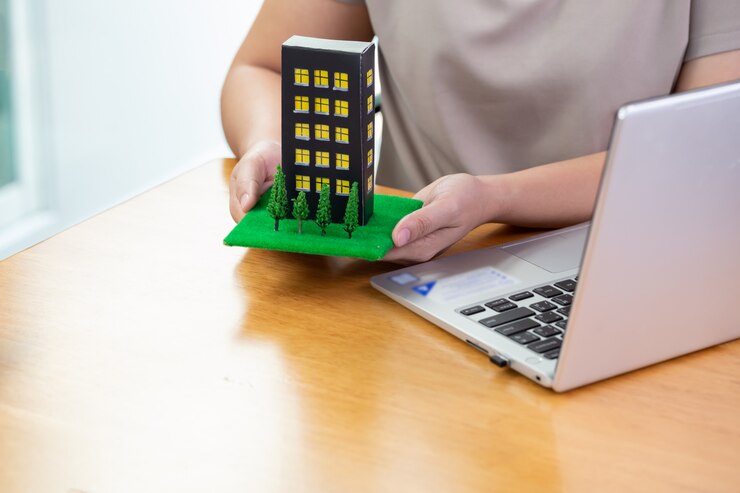
Modern technology has helped property management to evolve fast. Today’s property management services depend on digital platforms, data analytics, and automation to satisfy rising demands. This paper will look at how technology is changing the property management scene. Tech is making every facet of condo and HOA property management more effective and responsive, from communication to maintenance. Here is how.
Simplified Owner And Tenant Communication
Efficient property management depends on good communication. Technology helps to link property owners and tenants more easily. Apps and platforms now provide instantaneous communications and real-time updates. No more lost emails or missed calls. Residents may quickly voice issues, receive news, or offer comments.
Property managers can keep everyone informed and react more quickly. This fosters confidence and increases openness. For HOA property management, it helps convey decisions and changes to all members at once. All three of these tools—push notifications, online forums, and messaging apps—make communication fast and dependable.
Regular communication fosters community and helps to avoid disputes. Improved communication technologies help property managers to concentrate more on strategic objectives. It also guarantees that records of talks are preserved for later use. Prompt updates and fast fixes help tenants to feel more connected and happy.
Data And Record-Keeping Centralized
Managing several properties involves a lot of paperwork. Technology has centralized all records in one location. Property managers have immediate access to tenant information, maintenance records, and leases. Cloud-based property management systems save time and lower human error.
From expense tracking to rent collecting, everything is simply documented and retrieved. For the administration of condo properties, this translates to more seamless operations and improved compliance. Centralized data also facilitates performance tracking or report generation. Just search and find; no more file digging.
Digital records make audits faster and simpler to finish. Centralization guarantees uniformity across all properties and helps to prevent duplication. Access to all papers on one platform makes legal compliance easier. Property managers may also securely share access with approved personnel or owners.
Payments And Automated Rent Collection
Gone are the days of painstakingly gathering rent cheques. Modern property management now lets safe internet portals handle automatic rent payments. By setting up regular payments, tenants can lower the likelihood of late fines. Property managers can monitor instant payment confirmations in real-time.
This function helps both sides. It cuts the effort, increases cash flow, and saves time. HOA property management companies may also apply this approach to gather member dues. Digital payments guarantee openness and lower conflicts connected to financial transactions. These systems can also provide automatic due date reminders.
It makes producing financial statements easier and helps one to track income. While managers receive consistent income sources, renters value the ease. For flexibility, certain systems let partial deposits or split payments.
Management Of Repairs And Maintenance Effectively
Delays in maintenance could annoy renters and damage your standing. Tech tools now let renters submit maintenance requests using applications or portals. Managers may monitor development in real-time and allocate duties to suppliers.
This guarantees rapid solutions and increases responsibility. Predictive maintenance tools are also available to property managers. These tools let them know before anything fails, hence saving costs on major later repairs.
For property management services, this translates to reduced downtime and more content people. Automated maintenance records help to streamline the next inspections as well. You can also plan regular maintenance and receive due-date notifications. The system allows vendors to post updates and photographs straight there. Residents appreciate when repairs are handled right away. It lowers often more costly emergency repairs.
Security And Smart Access Systems
Technology increases home safety and security. Modern homes today require smart locks, security cameras, and access control systems. Property managers can allow or deny access from afar.
This helps to control tenant move-ins, staff moves, or guest entrances. Digital storage of security footage allows for immediate phone alerts.
For condo and HOA property management, this offers more degree of security. Management gains more control over who accesses the property, and residents feel more safe. Fire alarms or emergency notifications can be used with security systems. They provide 24/7 monitoring without requiring physical personnel. Access logs assist in conflict resolution or inquiries. Technology lessens dependence on physical keys, which are simple to lose or copy.
Real-Time Analytics And Reporting
Making the correct choices calls for precise data. Property management systems provide performance data and real-time dashboards. You may monitor occupancy, rent collection, maintenance schedules, and more.
This enables early issue detection and improved planning by managers. Analytics also show patterns—such as rising maintenance expenses or excessive turnover.
These observations guide wise budget choices for HOA and condo property management. Real-time data guarantees openness for all parties and builds confidence. Visual charts and comparison tools help to clarify information.
Reports can be distributed quickly to owners or board members. Historical data points out long-term patterns and areas needing development. It also enables future investment decisions based on data.
Capacity For Remote Property Management
Property managers no longer have to be on-site all the time. Cloud-based technologies let them control and track properties from any location. Rent collecting, document sharing, and complaint settlement are all handled remotely.
In times of crisis, this adaptability is quite beneficial. Access to systems and data remotely also accelerates decision-making.
For property management firms operating several sites, this function is revolutionary. Whether you’re operating an HOA or a condo complex, technology keeps you in charge no matter your location. This saves time and lowers travel expenses. Staff members not bound to one site may concentrate on top concerns. You can run online meetings, conduct inspections, or provide virtual tours. It offers ease to both managers and residents equally.
Conclusion
Technology is altering the operation of property management by making it quicker, smarter, and more efficient. Modern tools let you accomplish more with less effort, from rent collecting to remote monitoring. Embracing these tools is no longer optional—it’s vital whether you run rental homes, HOA communities, or condos. Hoping to streamline your property operations using dependable tech-driven support? Contact us now to improve your property management.
FAQs
1. How is technology changing modern property management?
Property management is getting more organized and accessible with the help of technology. Centralized communication, maintenance request, payments, documents, inspections and reporting can be managed via digital platforms. These can help to streamline repetitive admin tasks, speed up responses and ensure access to relevant information for the property owner and resident.
2. What technology do property management companies use?
The technologies used by property management companies can include property management software, resident portals, online payments system, maintenance software, accounting software, communication software, and reporting systems. There are other types of technologies which may be used by certain properties and include smart access systems, online inspections, and automated notifications.
3. How can a Property Management Company improve communication with residents?
Resident portals, email, mobile applications, and automated notifications are ways a property management company can streamline communication. These can be used for maintenance updates, community announcements, payment reminders, policy information, and documents sharing. They also maintain a log of communication that will be valuable for follow-up of resident requests.
4. How does technology benefit HOA management companies?
Technology can help HOA management companies coordinate communication between homeowners, board members, vendors, and management teams. Digital platforms can centralize community documents, meeting notices, maintenance requests, financial information, and announcements. This can make routine administration easier while giving board members and residents more convenient access to information relevant to their community.
5. Can technology help reduce property maintenance delays?
Yes. Digital maintenance systems enable residents or staff to submit requests, classify issues, assign projects, communicate with vendors and monitor progress. Managers can also have access to the service history and track requests that are yet to be resolved. A centralized workflow can be helpful to stay on top of the maintenance activity and communicate with residents regarding the status of their requests.
6. Can technology replace professional property managers?
Technology can automate many repetitive administrative tasks, but it does not eliminate the need for professional property managers. Managers still provide human judgment when dealing with resident concerns, vendor relationships, board decisions, emergencies, compliance matters, and unexpected property issues. Technology works best as a support system that allows management teams to spend more time on complex responsibilities.